The enclosure is more than a shell: it’s a shield, heat sink, and brand ambassador. But how is a Syslogic aluminum housing made—and what matters most?

Of course, the first thing people usually look at is what’s inside: AI computing power, storage capacity, data transfer rates. Yet when it comes to a rugged embedded computer, the enclosure plays just as central a role. Time, then, to take a closer look at it.
The housing of a Syslogic embedded system protects the electronics from external factors such as moisture and dust, as well as from mechanical stress caused by shock, vibration, or pressure. It reliably dissipates heat, ensures electromagnetic compatibility, and is – quite literally – a heavyweight component of Syslogic’s brand identity.
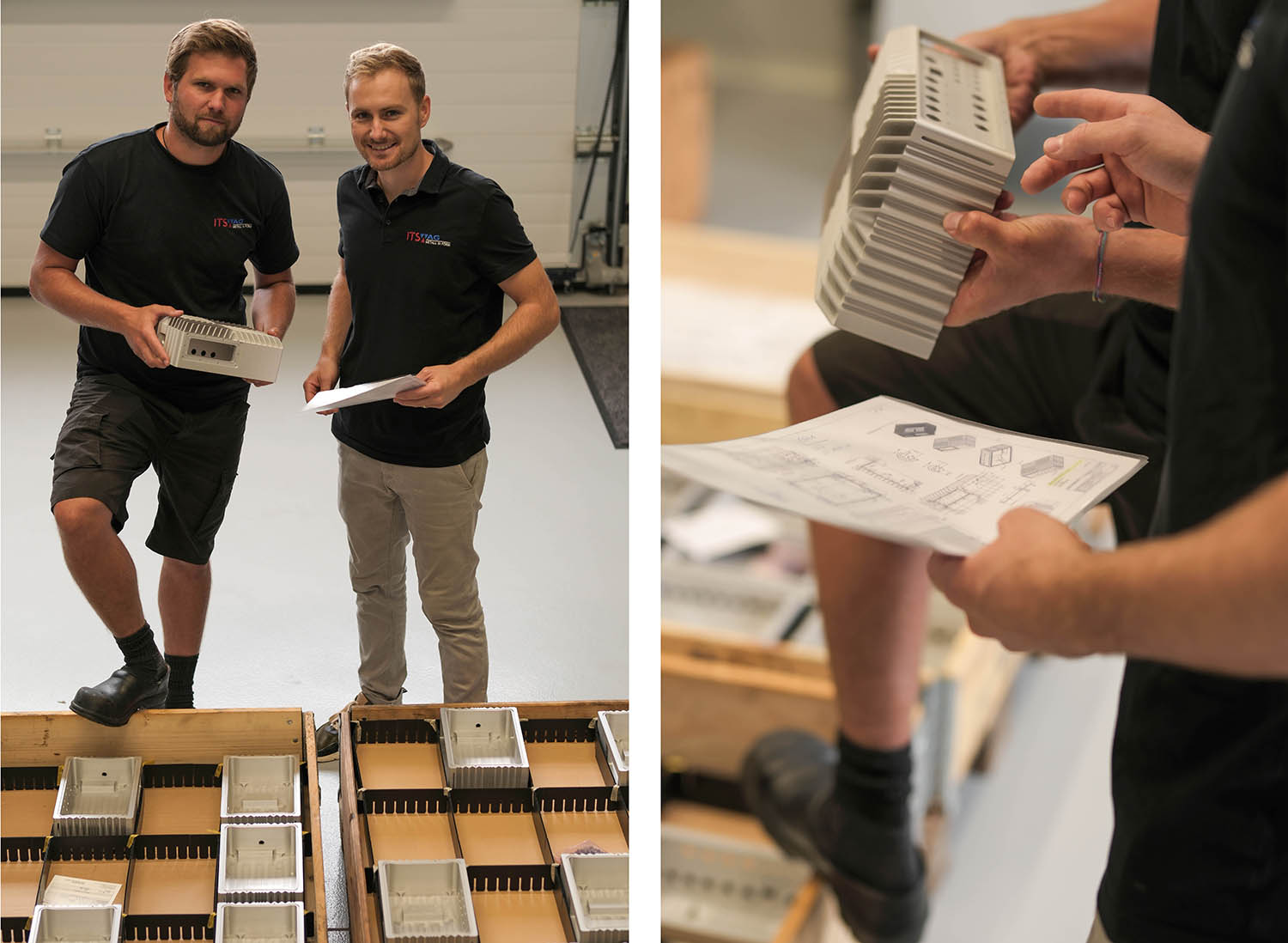
The housings of Syslogic rugged computers are developed in-house by the company’s design and engineering team, and then manufactured by trusted partners. The cooling fins are engineered to optimally dissipate the heat generated by powerful NVIDIA system-on-modules or Intel processors. Thanks to the passive cooling concept, Syslogic can eliminate the need for a failure-prone fan – enabling long-term, maintenance-free operation.
Rugged computers are primarily used in agricultural machinery, construction equipment, and autonomous vehicles. Accordingly, the enclosures must meet high standards of robustness and durability. Syslogic rugged computers achieve IP67 and IP69 protection ratings, making them resistant to water, dust, and extreme temperatures.
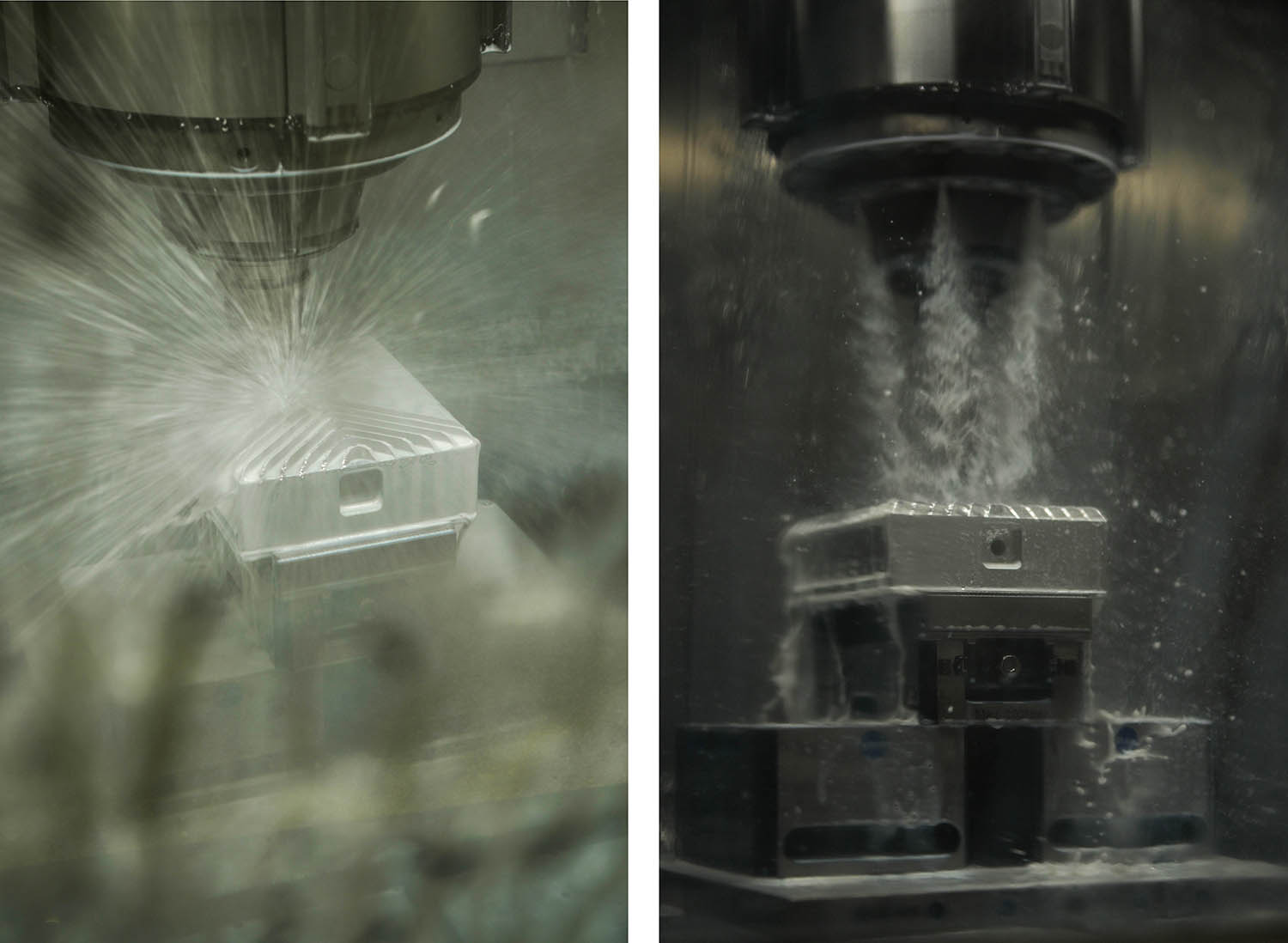
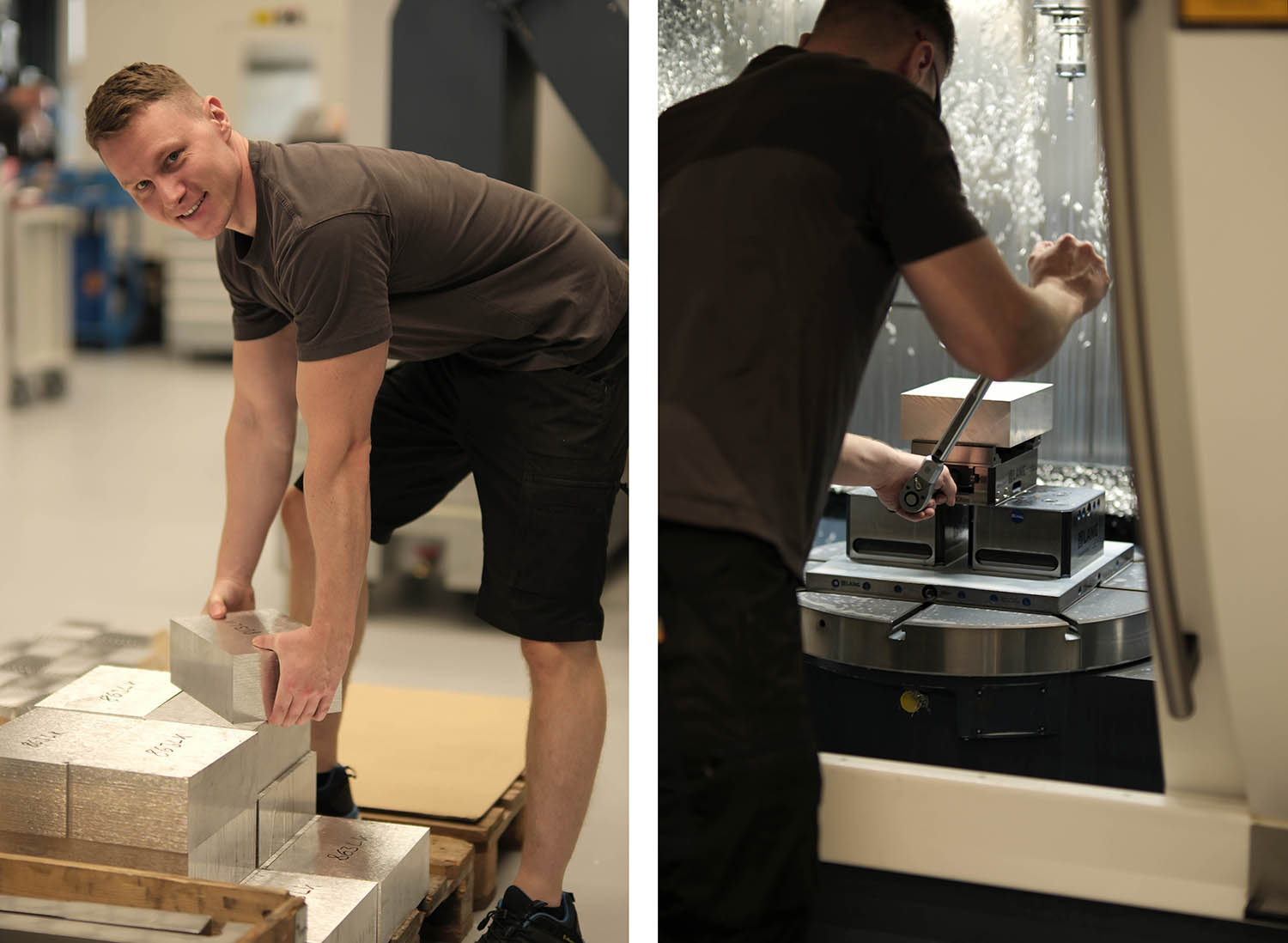
The housings are milled from solid aluminum blocks and then anodized. This process creates a hard, thick oxide layer that strengthens the aluminum and provides excellent corrosion resistance. In addition, all grounding and contact points are passivated to ensure electromagnetic compatibility.
Syslogic also makes no compromises when it comes to connectivity, using screwable M12 connectors. These resist vibrations and prevent dust or moisture from entering the device. Pressure and humidity are equalized via a Gore vent integrated into the side of the housing.